
As we delve into the world of home inspections, one common concern that arises is the condition of crawlspaces, particularly in humid regions like Middle Tennessee.
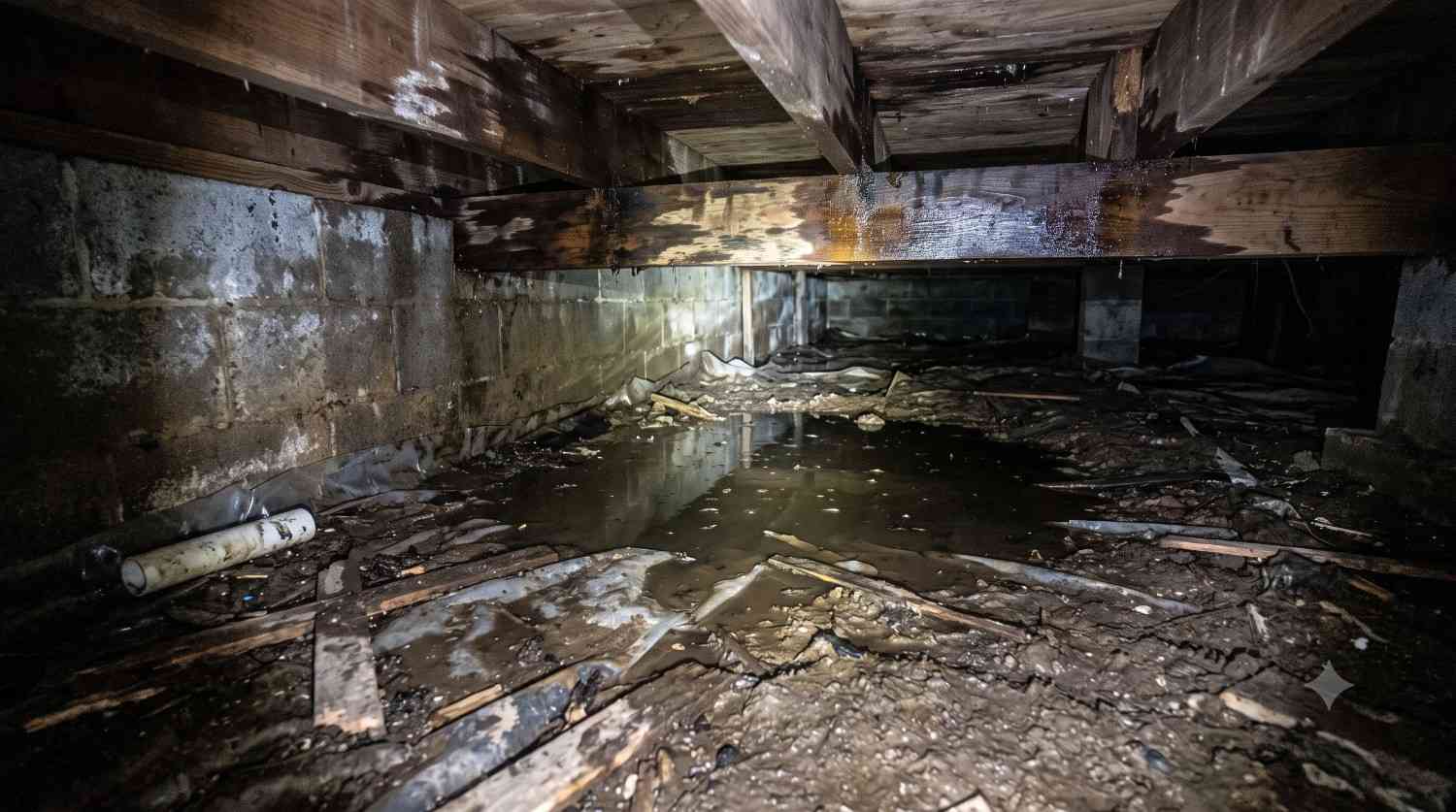
Recently, we were called to inspect a residential home where standing water was observed on the vapor barrier of the crawlspace. While vented crawlspaces are a code-approved technique, the presence of water can still raise red flags for potential homebuyers.
The Importance of Thorough Inspections
The home inspector’s report noted the standing water but did not clarify its source, leaving future buyers understandably anxious about potential water intrusion.
Concerns about damage to the foundation, supports, and the risk of microbial growth are valid. Moreover, the possibility of a leak from a water supply line or sewer can be daunting.
We believe that home inspectors have a crucial role to play in not only identifying issues but also providing insight into their origins. A well-rounded analysis can prevent unnecessary alarm for potential buyers and help real estate professionals navigate these concerns more effectively.
Water in a crawlspace has several possible origins, and they are not interchangeable. A wet spot gets blamed on an underground spring far more often than the evidence actually supports.
What We Found: The Source of the Water
Upon our inspection, we discovered pools of clear, clean water throughout the crawlspace. This discovery is particularly relevant given the current weather conditions—we are in the midst of an extremely hot and humid summer, with temperatures soaring above 90°F and frequent rain showers.
The crawlspace contained plastic PEX pipes for the cold and hot water supplies.
The cold-water pipes are susceptible to condensation under the recent extreme humidity conditions. Cold water flowing through these pipes can “sweat”, as the temperature of the pipe surface dips below the dew point. This sweating is the apparent source of the standing water we observed.
Nature’s Solution: Evaporation
One reassuring aspect of this situation is that the standing water is not a permanent issue. As the weather cools down and humidity levels drop, the liquid will evaporate naturally, dispersing into the atmosphere.
The crawlspace is designed to manage moisture effectively, allowing for this natural process to occur.
It’s crucial to communicate this information to potential buyers, alleviating their concerns and providing clarity on the situation.
A Call for Better Reporting
In light of our findings, we believe there is a pressing need for home inspectors to provide more comprehensive reports. Instead of simply noting the presence of water, inspectors should analyze its source and implications.
A simple note indicating that the water is clean and without discoloration could significantly ease buyer concerns and foster a more transparent home-buying experience.
Real estate professionals should advocate for these improved inspection practices to ensure that buyers are fully informed and can make decisions without undue stress.
If an inspection report has flagged moisture in your crawlspace and nobody can tell you where it came from, DocAir can. Our Nashville team diagnoses buildings as complete systems using thermal imaging, moisture meters, and blower door testing, so you get the actual cause instead of a guess.
Call 615.373.2498 or request an evaluation to get a clear answer before your closing date.